Understanding the UHC/Optum relationship
This confuses a lot of people, so let’s clear it up.
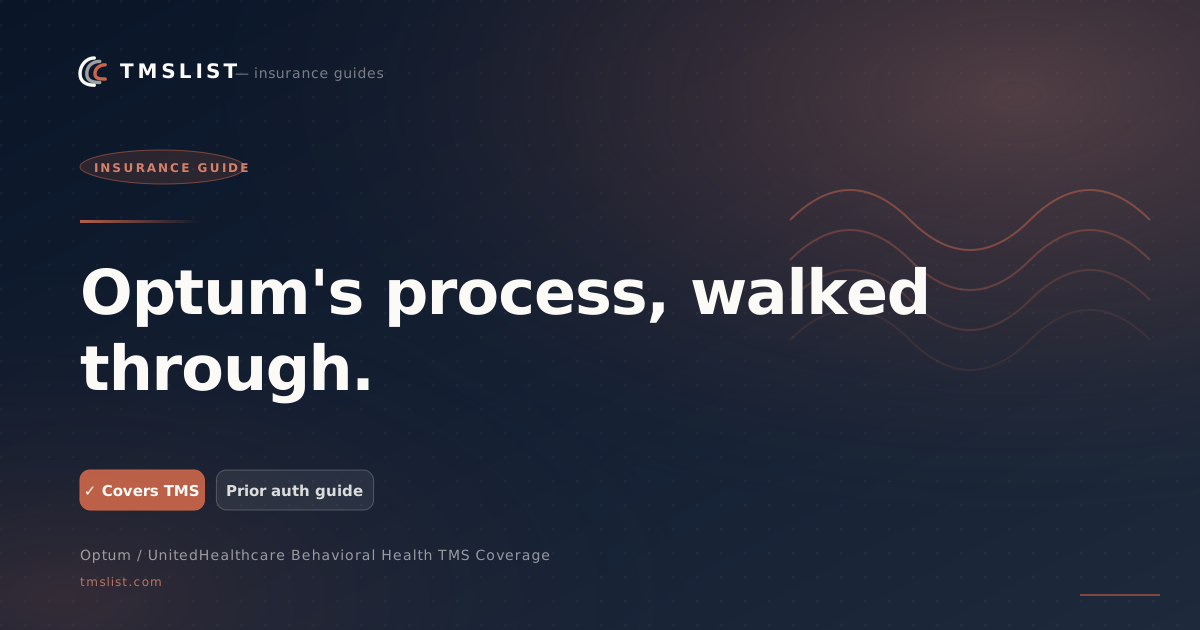
UnitedHealthcare (UHC) is your insurance plan. Optum Behavioral Health manages the mental health side of many UHC plans. So when you’re trying to get TMS approved, you might be dealing with Optum even though your card says UnitedHealthcare.
Look at your card. If there’s a separate number for behavioral health, that’s probably Optum. Call that one.
Coverage overview
UHC covers TMS for treatment-resistant MDD through most commercial and Medicare Advantage plans. Optum’s medical policy outlines the specific criteria.
Eligibility requirements
- Diagnosis: Major Depressive Disorder, single episode or recurrent, moderate to severe
- Medication failures: Minimum 2 adequate antidepressant trials
- Different pharmacological classes
- Adequate doses for at least 8 weeks each
- Failure means: inadequate response, intolerable side effects, or contraindication
- Current episode: Active depression with PHQ-9 score documenting moderate-severe symptoms
- Psychotherapy: Some plans want to see concurrent or prior therapy engagement
- Provider: Must be performed by or supervised by a psychiatrist at an approved facility
Authorization process
- Call Optum Behavioral Health — the behavioral health number on your UHC card
- Your TMS clinic submits prior auth with clinical documentation
- They’ll need to include:
- Full psychiatric evaluation
- Medication trial history (drug names, doses, durations, outcomes)
- Current PHQ-9 or HAM-D score
- Treatment plan from your psychiatrist
- Review timeline: 5-15 business days
- Authorization period: Typically covers the full 36-session course
Cost sharing
- UHC Choice Plus PPO: 20% coinsurance after deductible (in-network)
- UHC Navigate HMO: Specialist copay per session ($30-$60)
- UHC Medicare Advantage: Varies by plan, typically specialist copay
- All plans: TMS counts toward your annual out-of-pocket max
Tips for UHC/Optum members
- Call the behavioral health number on your card. Not the medical number. This is the #1 mistake people make
- Ask your TMS clinic if they’ve worked with Optum before — the process is a little different from other insurers
- If denied, peer-to-peer review between your psychiatrist and Optum’s reviewer often flips the decision
- UHC’s online portal may not clearly show TMS benefits. Don’t assume it’s not covered just because you can’t find it online — call to confirm
- Keep your authorization reference number handy and give it to the clinic at every session
Related Insurance Guides
Ready to Explore Your Options?
Browse TMS providers, compare clinics, and find the right treatment for your situation.
How to Get TMS Approved
Call the number on the back of your insurance card and ask specifically about TMS therapy coverage. Get a reference number.
Gather records of your MDD diagnosis, all medication trials (names, doses, durations, outcomes), current PHQ-9 score, and therapy history.
Find an in-network TMS provider using our clinic directory. In-network clinics handle prior auth and know your insurer's requirements.
Your TMS clinic submits the prior auth request. Typical approval takes 5-15 business days. If denied, appeal — overturn rates are 60-70%.
What If You’re Denied?
Don't give up after a denial
TMS denial overturn rates are 60-70% on appeal. Steps to take:
- Request a peer-to-peer review — your psychiatrist talks directly to the insurer's medical director
- Submit additional documentation addressing the specific denial reason
- File a formal appeal with your state insurance department if internal appeals fail
- External review — most states allow independent external review of coverage denials
For more details, see our Prior Authorization Guide and Denied Coverage Appeals guide.
Optum UHC: What You Need to Know
Explore TMS List
Treatments & Conditions
Insurance & Cost

TMS Specialists
- Jerrika Myles — Troy, AL
- Christian Serna — Fort Lauderdale, FL
- LaKebra Scott PMHNP — Troy, AL
- Leslie Rokoske — Washington, DC