How I got my insurance to cover TMS after initial denial
Join the conversation
Sign in to commentThis is incredibly helpful. I'm currently at step 2 of your timeline — just got my first denial from Aetna. The 'not medically necessary' language is so frustrating when you've literally tried everything. Going to push for that appeal now.
Same experience with UnitedHealthcare. First denial, then approved on appeal with documentation of 4 failed meds. The whole process took about 6 weeks. One thing I'd add: ask for a peer-to-peer review. That's where your psychiatrist talks directly to the insurance company's reviewing doctor. My psychiatrist said that call is what turned things around.
From the provider side, I want to emphasize how important that peer-to-peer review is. Insurance companies often have non-specialists reviewing TMS claims. When I can speak directly with their reviewer and explain the clinical rationale, approval rates go way up. Also: if your clinic doesn't have an insurance coordinator, consider that a red flag. A good TMS clinic should have staff dedicated to navigating prior authorizations.
For anyone with Medicare — it's been covered since 2021 and the approval process was much smoother for me than what Jennifer describes with private insurance. My out-of-pocket was about $800 total.
Wanted to update: I've since helped two friends navigate the same BCBS appeal process using this exact approach. Both got approved. Don't give up after the first denial!
Saving this. My second appeal letter was rejected last week. Going to use your template.
United denied me three times. The thing that finally worked: a letter from my therapist documenting functional impairment (work, relationships, ADLs).
Anthem approved on first appeal after my psychiatrist sent the failed-medication trial table in the format their medical policy specifies. Format matters.
BCBS denied me twice. The peer-to-peer review with their medical director was what flipped it. Make sure your psychiatrist actually does the call.
If you're self-pay, ask the clinic about a cash-pay discount. Mine was 40% off the billed rate.
Cigna requires you to fail SSRIs from two different classes. Mine kept denying because I'd only failed two from the same class. Switched approach and got approved.
Document EVERY medication trial — name, dose, duration, side effect, why you stopped. Insurance lives for that paper trail.
State insurance commissioner complaints are a real lever — my approval came 5 business days after I filed one.
External review (the IRO process) is the trump card most people don't know about. After two appeals, you can force an independent doctor's review. I won there.
Aetna approved on first appeal after I cited the APA practice guidelines explicitly. Your provider should know to attach those.
Medicare Advantage plans vary widely. Original Medicare actually covers TMS reliably with a referral. If you have a choice at open enrollment, factor that in.
Just got my approval letter today — used a lot of advice from this thread. Pre-authorization came through after 11 weeks. Don't give up.
Got my approval letter today after 4 months. Reading this whole thread back. To everyone still fighting — keep going. The system is beatable.
Explore TMS List
Treatments & Conditions
Insurance & Cost
-
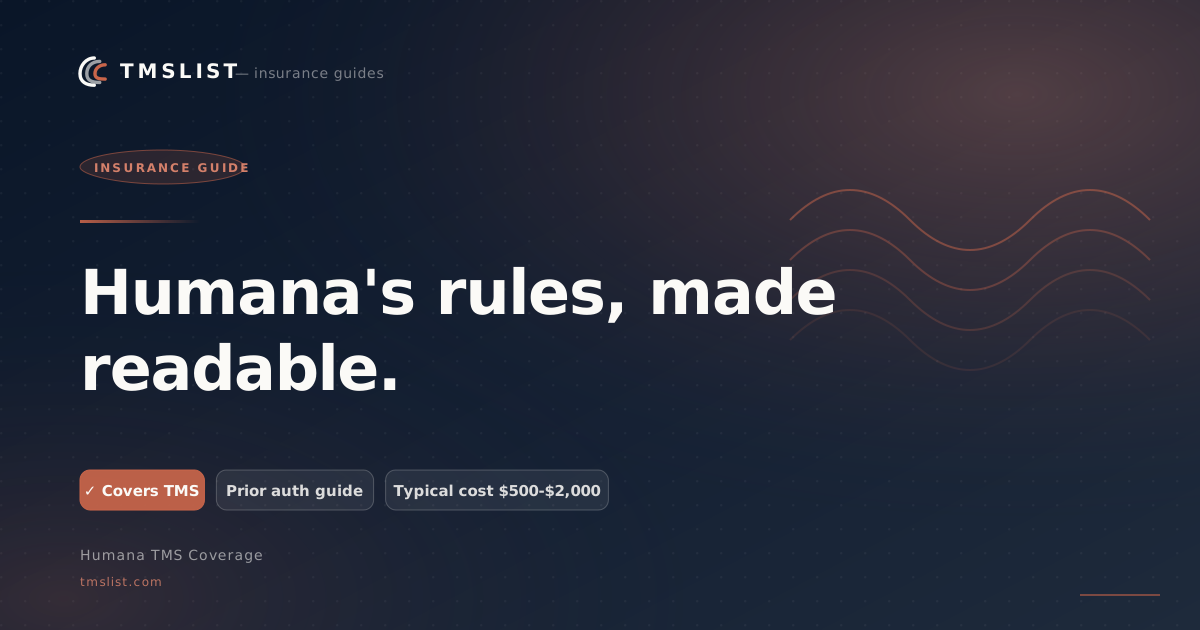 Humana TMS Coverage
 -
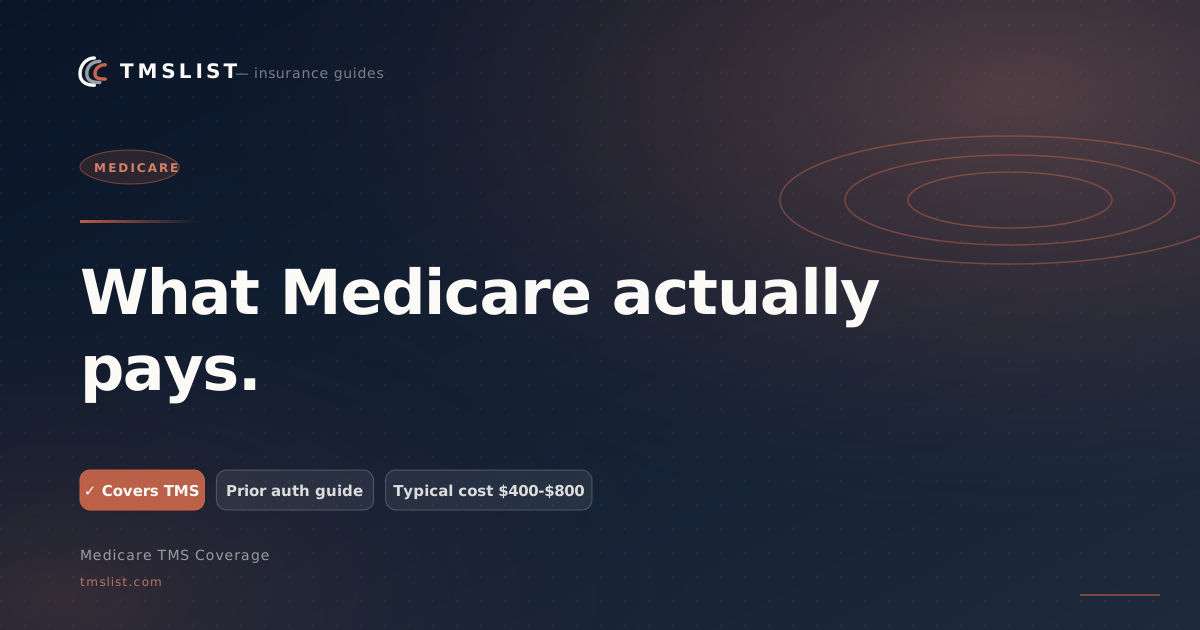 Medicare Coverage for TMS
 -
 Medicaid Coverage for TMS
 - TMS Cost Guide
- TMS Cost Calculator
TMS Specialists
- Jin Li — Fresno, CA
- Mark Strickland — Tallahassee, FL
- Tamara Movsesova — Washington, DC
- Michael Mitchell — Tallahassee, FL